A unique experience in the global banana industry
Gerardo Iglesias
29 | 5 | 2026
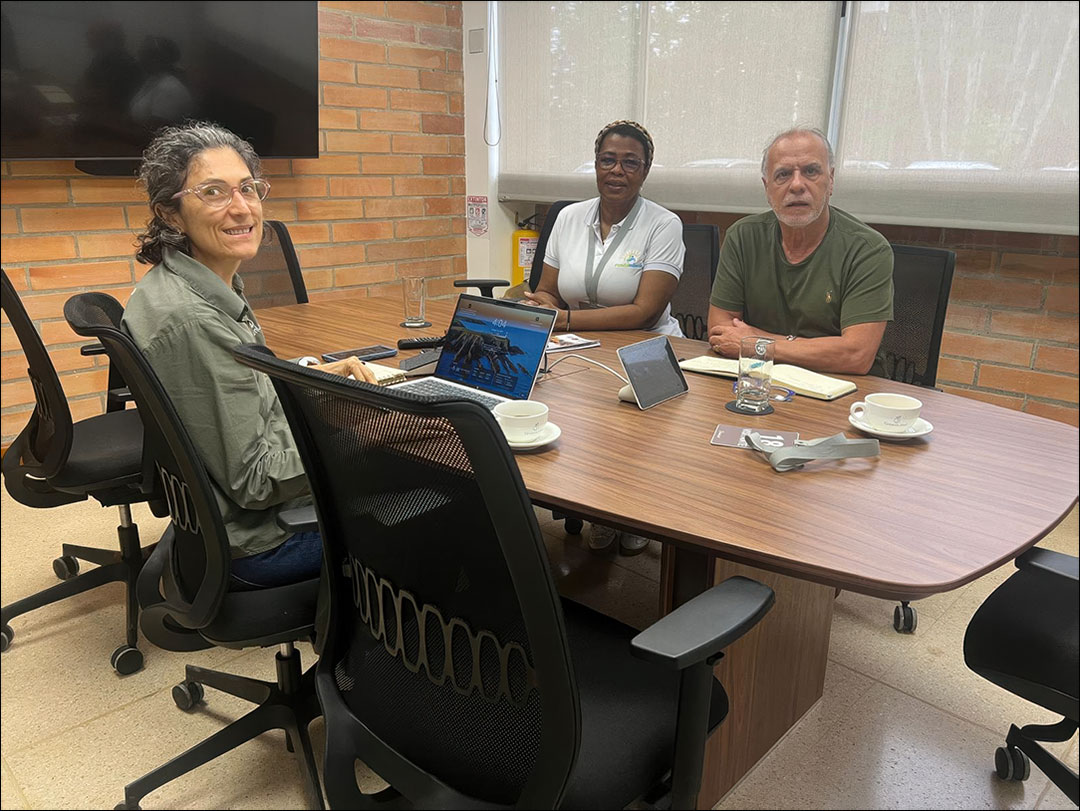
The underlying causes of gender discrimination in the banana industry and female empowerment as a strategy for eradicating poverty in Urabá, an area affected by profound socioeconomic hardship, are key issues in the agenda of the IUF’s Latin American Regional Office and SINTRAINAGRO’s Women’s Department, headed by Adela Torres.
On November 19, 2019, Rel UITA (IUF Latin America), SINTRAINAGRO (Colombia’s National Union of Agricultural and Livestock Workers), and the company BANACOL signed an agreement for the incorporation of 400 women into the workforce of the company’s plantations. At that time, 10.9 percent of BANACOL’s 5,000 workers were women.
“At first there was a good response, but in March 2020, when the COVID-19 pandemic erupted, the pace of incorporations dropped dramatically. Even so, the company was able to hire 270 women,” Ledis García Morales, Human Management and Corporate Responsibility Director at GreenLand/BANACOL, highlighted.
The roadmap for implementing the agreement involved designing a specific plan, along with recruitment and training of candidates, combining conceptual tools and direct work experience.
“The on-the-job training program has a one-month duration. We’re talking about women, for the most part young, with no work experience,” García Morales informed.
At present a total of 655 women work for BANACOL, primarily in the selection and packing area, accounting for 15.76 percent of the company’s payroll.
This marks significant progress, which should serve as an example for other companies to follow, as well as contributing to furthering more public policies on gender and equality.